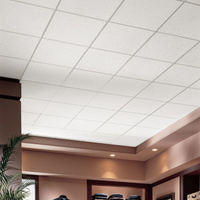
 In homes or offices, interior architecture is an area that has taken quite different dimensions and where needs are combined with modern designs. Suspended ceiling is seen as one of the ceiling covering applications that make a difference in interior architecture. It is a rational method that can be used only for decorative purposes, as well as to hide the exposed installation on the ceiling and to provide sound, heat and moisture insulation.
Suspended ceilings, which have different types, colors and models, can also be models with or without LED lights. In our country, although drywall is predominantly used in such ceiling applications, aluminum or galvanized are also preferred. While plasterboard suspended ceilings are generally found in living areas such as homes, metal suspended ceilings can be seen in public areas such as offices, shopping malls, hospitals, universities. Therefore, it would be healthier to determine the type of suspended ceiling according to its usage area and purpose. You can also access the article about suspended ceiling systems prices and in which we list the elements to be considered while doing ceiling renovations, which is another article.
Construction Stages
Although this application is not an application that can be done by everyone, it is necessary to work with an expert person to get it done.
In the first process after the expert selection, carrier ceiling u profiles should be marked on the lower wall surface according to the condition of the ceiling for the suspended ceiling.
The marked level is moved to other walls and the fixing line is drawn along the wall with a whisk.
U profiles to be placed on the ceiling are placed on the determined line and fixed. At this point, the screw spacing should be 60 centimeters.
The distance of the suspension rods in the application area should be made at regular intervals. After this gap process, it is determined which wall the main bars and main profile will be parallel to.
The main profiles are placed on the wall surface and fixed. The process continues according to the selected model.
The process in which the model actually emerges begins after this process. At this stage, the suspension rods are positioned and precautions are taken for situations such as fire and ventilation.
Hanging bars and secondary profiles are placed. The plasterboard is then placed and fixed.
After the fixing process, all controls are made and the suspended ceiling construction is completed by placing the determined model.
 Flooring Systems